Proverbs 25: Wisdom That Knows When to Speak — and When to Be Still
Proverbs 25 opens with an interesting note — these are sayings of Solomon that were copied and preserved later. That alone tells us something important: wisdom is worth guarding, revisiting, and handing down carefully. Truth doesn’t expire just because generations change.
One of the most quoted ideas in this chapter is the balance between God’s glory and human humility:
“It is the glory of God to conceal a matter,
But the glory of kings to search out a matter.” (v.2)
God is not obligated to reveal everything to us. Some things are hidden because we are finite, because we are not ready, or because trust is formed in the waiting. Our role is not to demand answers, but to pursue wisdom with reverence and restraint. There is a difference between seeking understanding and insisting on control.
This chapter also spends a surprising amount of time on speech — not just what we say, but when and how we say it.
“Like apples of gold in settings of silver
Is a word spoken in right circumstances.” (v.11)
Truth matters. But timing matters too. A true word spoken carelessly can wound instead of heal. Wisdom isn’t just knowing what’s right — it’s knowing when silence is more loving than correction, and when courage requires us to speak.
Proverbs 25 also offers repeated warnings about pride and self-promotion:
“Do not claim honor in the presence of the king…
For it is better that it be said to you, ‘Come up here.’” (v.6–7)
There is something deeply countercultural about letting God — not ourselves — do the elevating. We live in a world that rewards visibility, self-assertion, and constant opinion-sharing. Scripture reminds us that humility is not weakness; it is wisdom that trusts God with outcomes.
The chapter continues by addressing conflict — not avoiding it, but handling it rightly.
“Argue your case with your neighbor,
And do not reveal the secret of another.” (v.9)
Wisdom doesn’t gossip. It doesn’t recruit an audience. It goes directly, honestly, and carefully to the person involved. There is restraint here — a refusal to turn conflict into public spectacle.
And finally, Proverbs 25 gives us one of the clearest pictures of self-control:
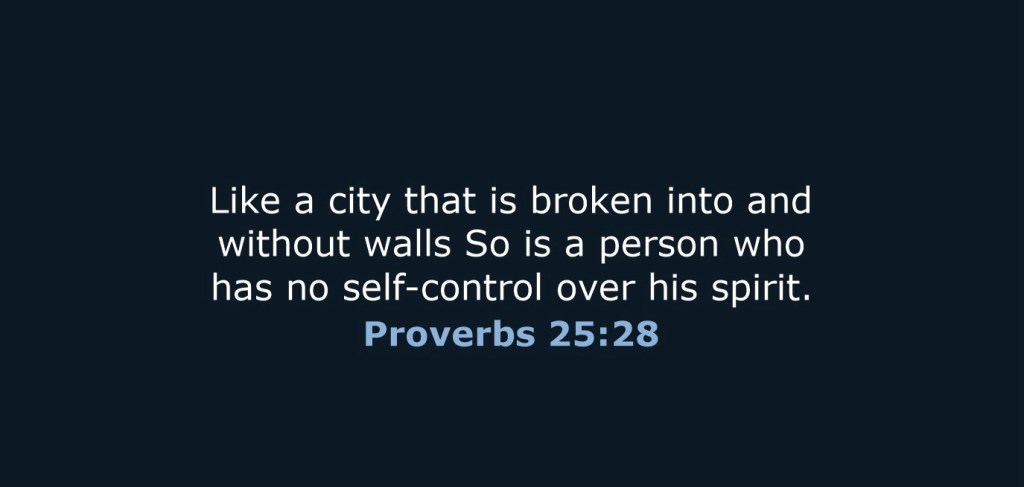
“Like a city that is broken into and without walls
Is a man who has no control over his spirit.” (v.28)
Without restraint — in our words, our emotions, our reactions — we leave ourselves exposed. Wisdom builds walls not to shut others out, but to protect what matters most.
Proverbs 25 reminds us that maturity often looks quieter than we expect. It sounds like thoughtful words. It looks like humility. It chooses patience over pressure and restraint over reaction. And it trusts that God sees what doesn’t need to be announced.
 Raychel Writes