Day 20
Proverbs 20: Wanting to Be Counted Among the Upright
There are chapters in Proverbs that feel heavy when you read them. Necessary, yes. True, absolutely. But weighty. They read like warnings posted on a fence: Don’t go this way. Don’t live like this. Don’t become this person.
Proverbs 20 feels different.
It’s still serious. Still sobering. But it reads less like a list of negative commands and more like an invitation. An invitation to maturity. To integrity. To steadiness. To a life that quietly makes sense.
I think that’s why it feels encouraging instead of crushing.
This chapter doesn’t just tell us who not to be. It paints a picture of who we ought to want to become.
Right out of the gate, we’re reminded that self-control matters:
“Wine is a mocker, strong drink a brawler,
And whoever is intoxicated by it is not wise.” (v.1, NASB)
This isn’t just about alcohol. It’s about anything we allow to dull our judgment or take the edge off responsibility. Proverbs keeps coming back to this truth: wisdom requires clarity. Upright living demands that we stay awake to our own choices.
And then comes one of those quiet but piercing reminders:
“The plans of the diligent lead surely to advantage,
But everyone who is hasty comes surely to poverty.” (v.21, NASB)
There’s nothing flashy here. No shortcuts. Just steady diligence. Faithfulness over time. This is the kind of wisdom that doesn’t trend well online but builds lives that last.
What struck me most in this chapter is how often the heart comes into view.
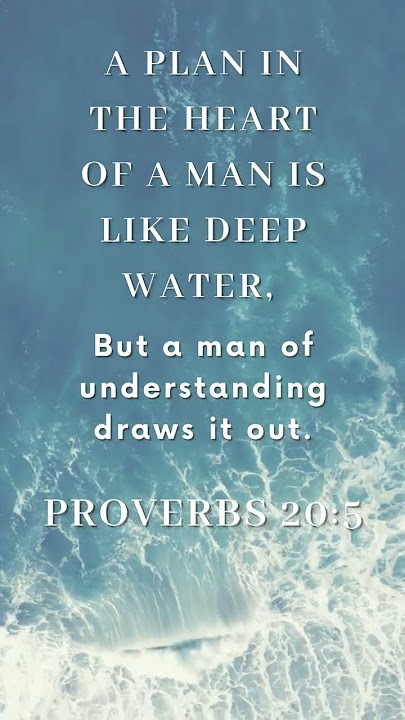
“The purpose in a man’s heart is like deep water,
But a man of understanding will draw it out.” (v.5, NASB)
Uprightness isn’t just about behavior modification. It’s about depth. About learning to examine our own hearts honestly and allowing wise, godly people to speak into our blind spots. That takes humility. And humility, Scripture tells us again and again, is never weakness.
There’s also a beautiful emphasis on integrity that feels deeply practical:
“Differing weights and differing measures,
Both of them are abominable to the Lord.” (v.10, NASB)
God cares about fairness in ordinary life. In business. In speech. In how we treat people when no one is watching. Righteousness isn’t reserved for big spiritual moments. It’s lived out in everyday consistency.
And then there’s this gentle, almost parental reminder that stopped me in my tracks:
“It is the glory of a man to overlook an offense,
But every fool is quick to quarrel.” (v.3, NASB)
That one stings a little, doesn’t it? Because overlooking offense feels costly. It requires maturity, restraint, and a refusal to let pride run the show. But Scripture calls it glory. There is dignity in not needing to win every argument.
Toward the end of the chapter, we’re anchored again in the truth that keeps us from self-righteousness:
“Man’s steps are ordained by the Lord,
How then can man understand his way?” (v.24, NASB)
Even in our pursuit of uprightness, we remain dependent. We walk forward in obedience, but never with the illusion that we are self-made or self-sustaining. Wisdom keeps us humble. Righteousness keeps us close to the Lord.
Proverbs 20 makes me want to be associated with the upright not out of fear, but out of desire. It reminds me that godliness is not about perfection, but about direction. About choosing honesty over ease, patience over impulse, humility over pride.
It’s serious. But it’s also hopeful.
And maybe that’s the gift of this chapter: it shows us that a life ordered by wisdom isn’t small or restrictive. It’s steady. It’s grounded. It’s deeply good.
And honestly, that’s the kind of life I want to be counted among.
 Raychel Writes